Department of Disaster Management Affairs (Dodma) says it has reached 90 percent of households affected by this year’s floods and storms, marking one of the most extensive early season disaster responses in recent years.
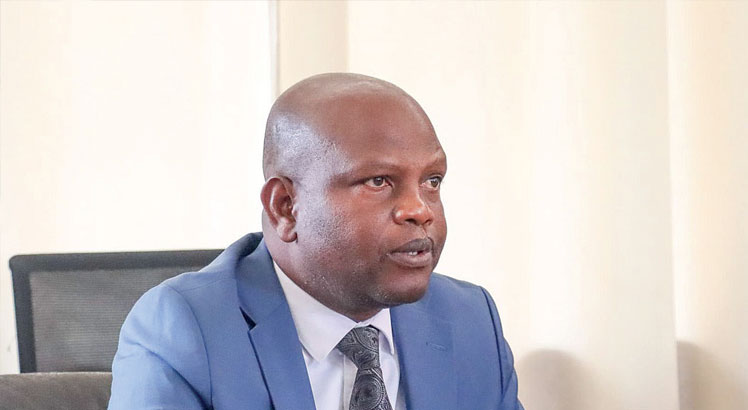
In a statement issued on Friday, Dodma commissioner Wilson Moleni said 35 692 out of 39 492 affected households have received assistance since the onset of the rainy season, translating to nearly 177 714 people impacted nationwide.
However, he warned that the danger is far from over.
“The threat of inter-tropical convergence zone-induced flash floods remains high in lakeshore and low-lying areas,” said Moleni, urging residents to relocate to safer ground in consultation with local disaster risk management committees.
He added that national search and rescue teams are on standby for rapid deployment.
Nkhotakota remains the epicentre of the crisis, with more than 10 000 people affected. The district also hosts the country’s only displacement camp, currently sheltering 320 households.
The other affected districts include Balaka, Blantyre City, Blantyre District, Chikwawa, Chiradzulu, Chitipa, Dedza, Dowa, Karonga, Kasungu, Lilongwe City, Lilongwe District, Likoma, Machinga, Mangochi, Mchinji, Mulanje, Mzimba, Mzuzu City, Neno, Nkhata Bay, Nsanje, Ntcheu, Ntchisi, Phalombe, Salima, Thyolo, Zomba City and Zomba District.
Meanwhile, the Centre for Social Accountability and Transparency (Csat) has urged authorities to reinforce transparency mechanisms as relief distribution scales up.
Csat executive director Willy Kambwandira said the scale of the response underscores the need for verified beneficiary lists, independent monitoring and functional grievance redress systems to safeguard humanitarian integrity.
Malawi is experiencing its fifth consecutive year of climate-related shocks, with this season’s floods compounded by intermittent dry spells, a pattern that continues to strain livelihoods and heighten food security concerns.